
Knighton Wild volunteers maintain two strips of meadow on the Green. One was sown with perennial native wildflowers while the other is sown each year with an annual mix.
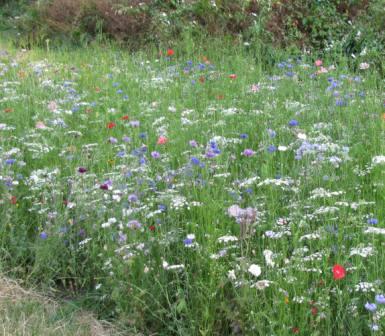
The soil on Knighton Green is a fertile clay so the seed mix for the perennial meadow has to thrive on a relatively rich soil. We used a Naturescape seed mix which was developed for clay soils which contains a mix of 22 perennial species. The plants should flower from April through to September with a peak in the mid-summer months. As the meadow matures the balance of flowering plants will change from year to year.
The annual meadow is sown with a mix of seed from Pictorial Meadows. This company specialises in mixes that have successional flowering to extend the season and also have a high visual impact. We change the mix each year to give a different flowering impact for visitors. The main idea behind this plot is to show people that wildlife friendly gardening can also be really attractive and low maintenance.

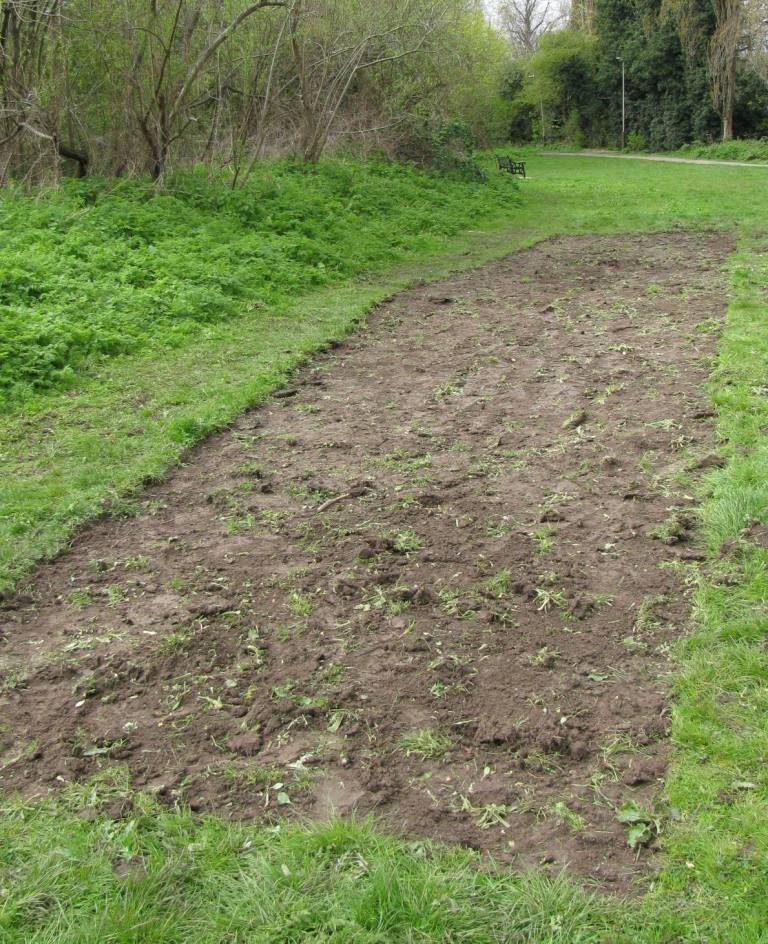
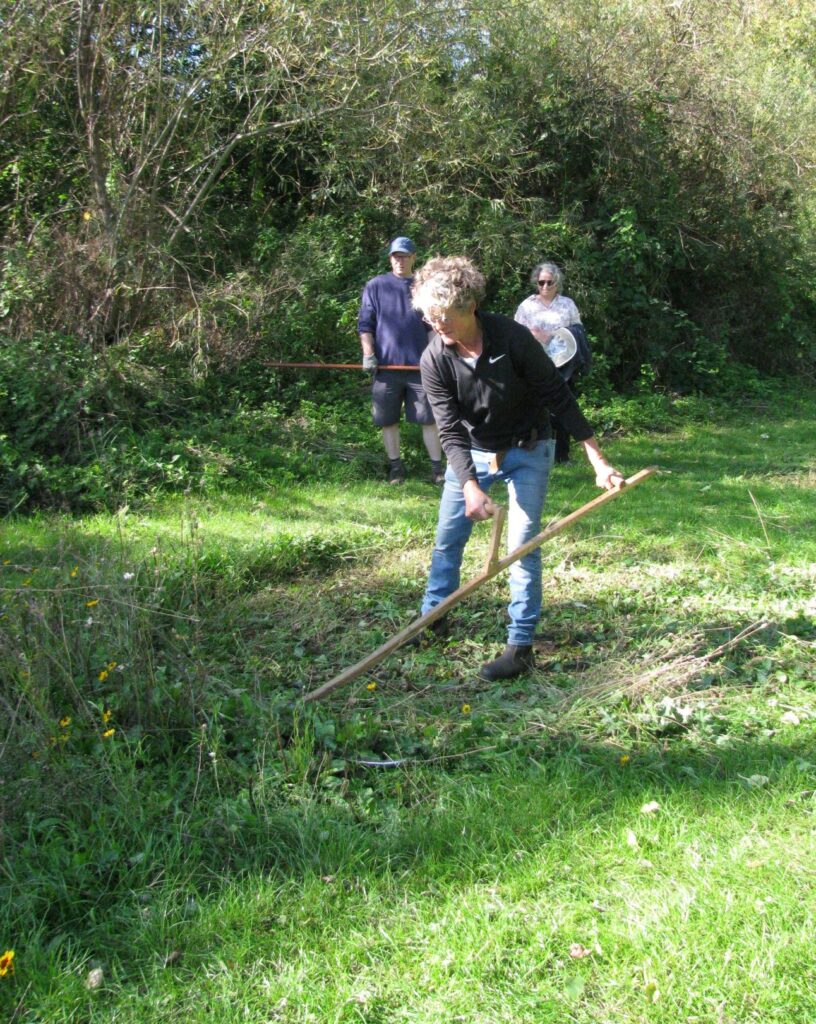
The meadows were established in similar ways. It’s important to clear the ground to start off with and remove invasive and vigorous plants which can easily out-compete the seedlings as they grow. Meadow management is low input and low management. Even in very dry years we don’t water the plots. Meadows thrive on poor soil so there is no feeding with fertiliser and at the end of every season the remains are scythed off and removed. The perennial meadow is scythed in the autumn and left to regenerate naturally each year. The annual meadow is also scythed in the autumn but the soil is also cleared of invasive plants in early Spring before a new sowing is made.
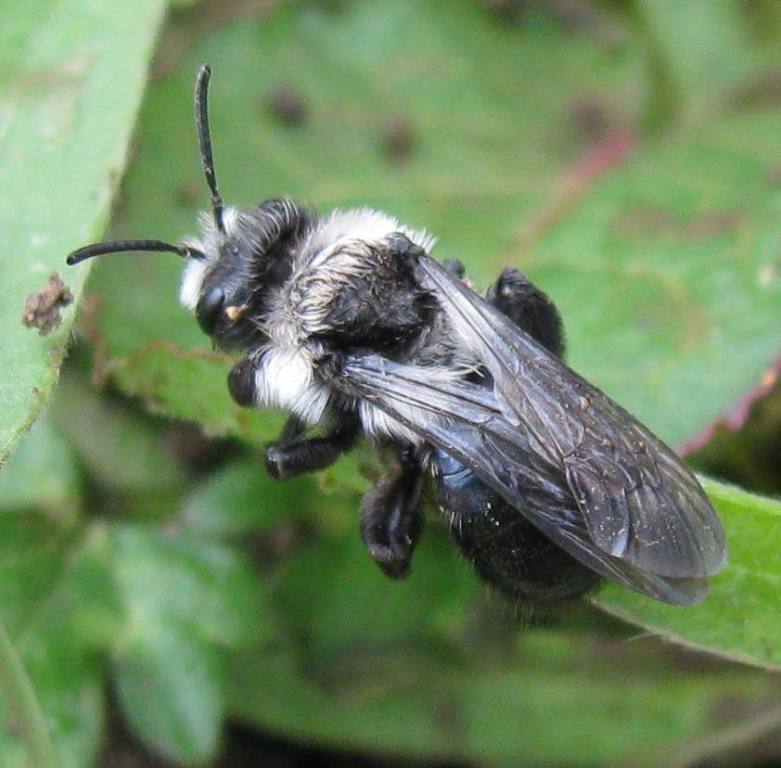
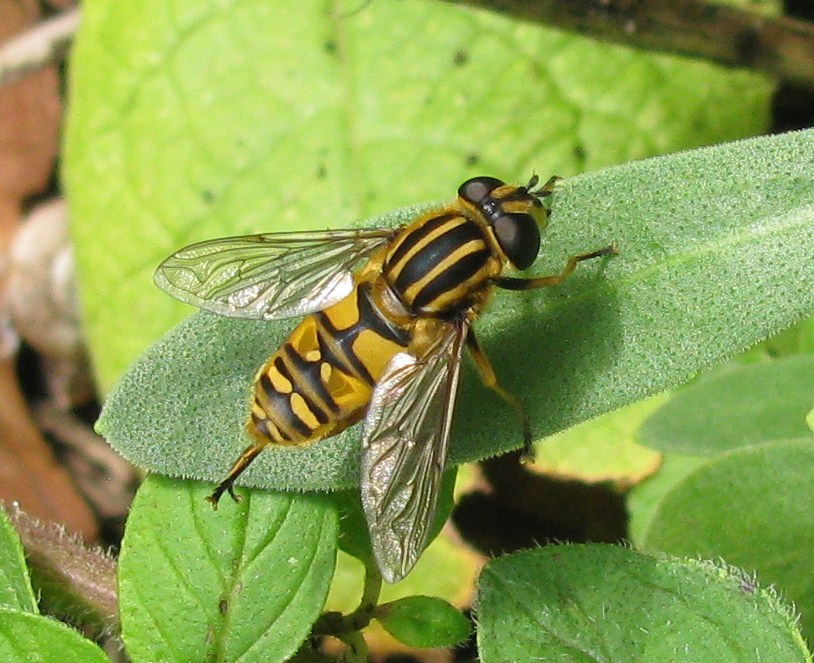
Wildflower meadows are an important natural environment for many insects especially in spring and summer. Pollinators such as bees, beetles, moths and butterflies need flower rich environments for pollen and nectar. Larger animals such as birds and bats thrive when there is a plentiful supply of insects. The leaves and stems of the plants also provide a food source to caterpillars. The soil is undisturbed so solitary mining bees and beetles can establish themselves.
Nationally meadows are in decline – Kew Gardens estimated that 97% have disappeared since the 1930s. This decline is due to changes in farming practices, expansion of towns and villages into rural areas and climate change.
Recent Comments